Are you fascinated by calligraphy, also known as the art of beautiful handwriting, but don’t know where to begin? Well, you’ve come to the right place, as we’ve prepared 25 free calligraphy practice sheets especially created for beginners.
All calligraphers, especially beginners, can benefit from practice sheets to familiarize themselves with proper techniques and to build muscle memory. These tools also help students focus on a specific skill and track their progress more easily.
Aside from the free printable practice sheets in PDF format, we also provide tips to help you get started with the basics.
Calligraphy sheets come in various types to help you develop specific skill sets. For beginners, it is important to establish the two most fundamental rules—consistency and spacing.
Below is a list of the most common types of free calligraphy practice sheets for beginners. Nevertheless, intermediate students can also use these downloadable practice sheets to improve their handwriting posture (or grip) and technique.
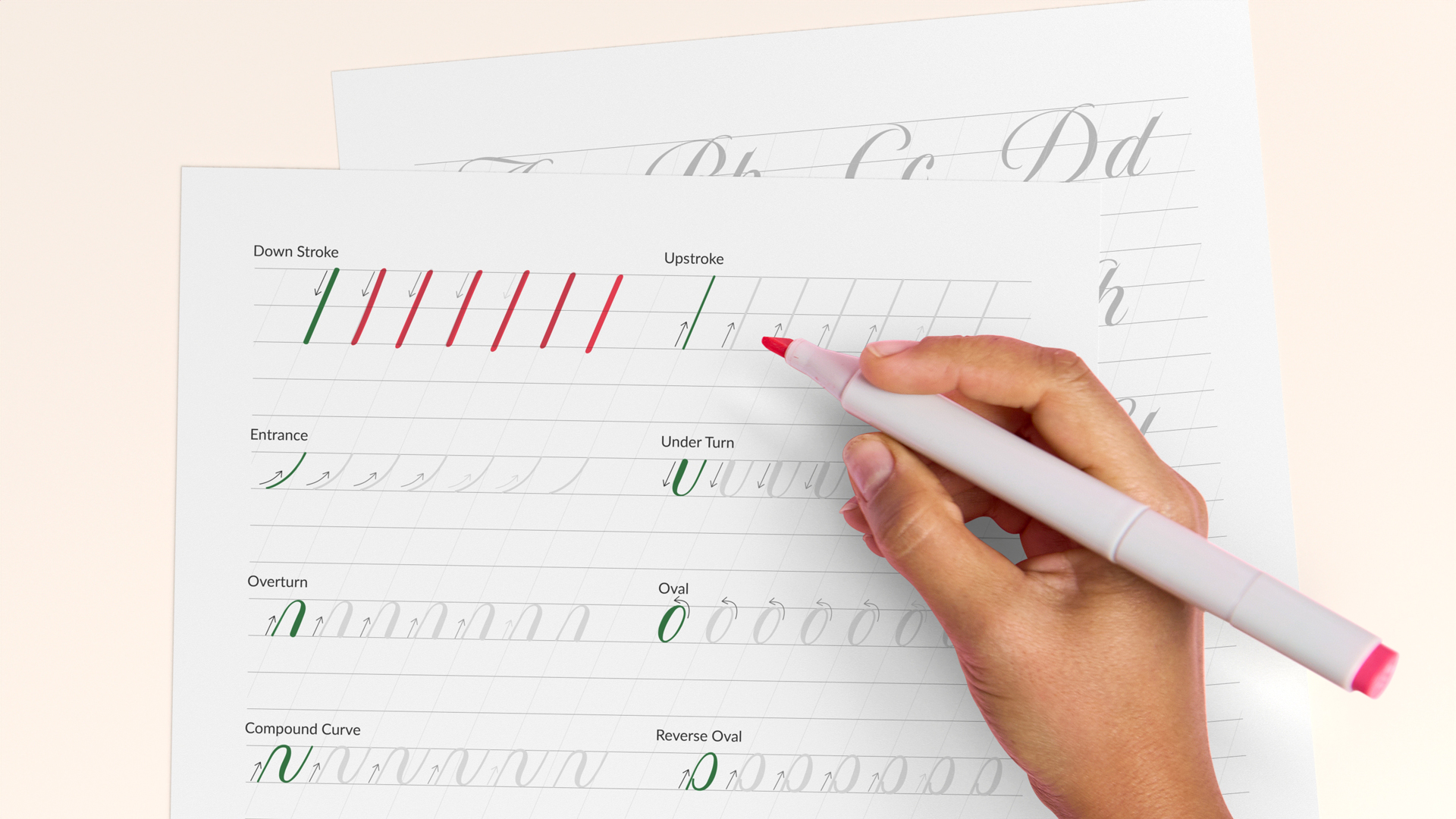
These calligraphy practice sheets can help you get used to the proper pen pressure and position, which is at an angle of around 45 degrees. As such, these practice sheets feature the most basic calligraphy strokes:
These practice sheets focus on helping you write lowercase and uppercase letters uniformly slanted. Typically, they also include practice strokes, which are the foundation to the entire calligraphy alphabet.
The more consistent your strokes, the more uniform your calligraphy letters will look!
These practice sheets contain inspirational words, short phrases, and common greetings. Although these sheets are often used by beginners, experienced calligraphers also use these as a warm-up worksheet before they begin their calligraphy projects.
Writing out a few loops and words for two minutes often leads to more polished-looking calligraphy.
Once you’re comfortable with doing basic strokes and writing words and phrases, you can proceed with tracing numbers, symbols, and punctuation marks.
It is recommended to start with numbers 0-9 and simpler or more commonly used symbols. However, ampersand is one of the most challenging symbols to draw, so it presents a great opportunity to practice your calligraphy.
In calligraphy, flourishes are curves and decorative lines in and around letters that you can use to emphasize certain words or phrases, or to inject your own personal style.
It takes a little practice to find the perfect stroke and develop a “feel” for the right approach when adding flourishes to the letters.
These flourishing calligraphy tracing sheets are ideal for both beginners and experienced students.
Faux calligraphy, also known as “fake” calligraphy, is a technique of imitating the look of calligraphy by using ballpoint pens, markers, sketch pens, pencils, and other “regular” writing tools that don’t flex.
By simple definition, flex is the pen’s ability to create lines with variable thickness based on the amount of pressure you put down on the paper.
These faux calligraphy practice sheets can help you learn how to create and insert thick lines with the use of regular pens.
Whether it is changing your habits or learning a new skill, the hardest part is getting started. Aside from the fear of failure, you may simply not know where to begin that could make you feel overwhelmed and anxious. That’s why we created this section to help you get started with calligraphy.
In calligraphy, the two most important tools you need are pens and paper that you need for practice or final project.
Let’s start with pens and discover what makes them suitable for calligraphy.
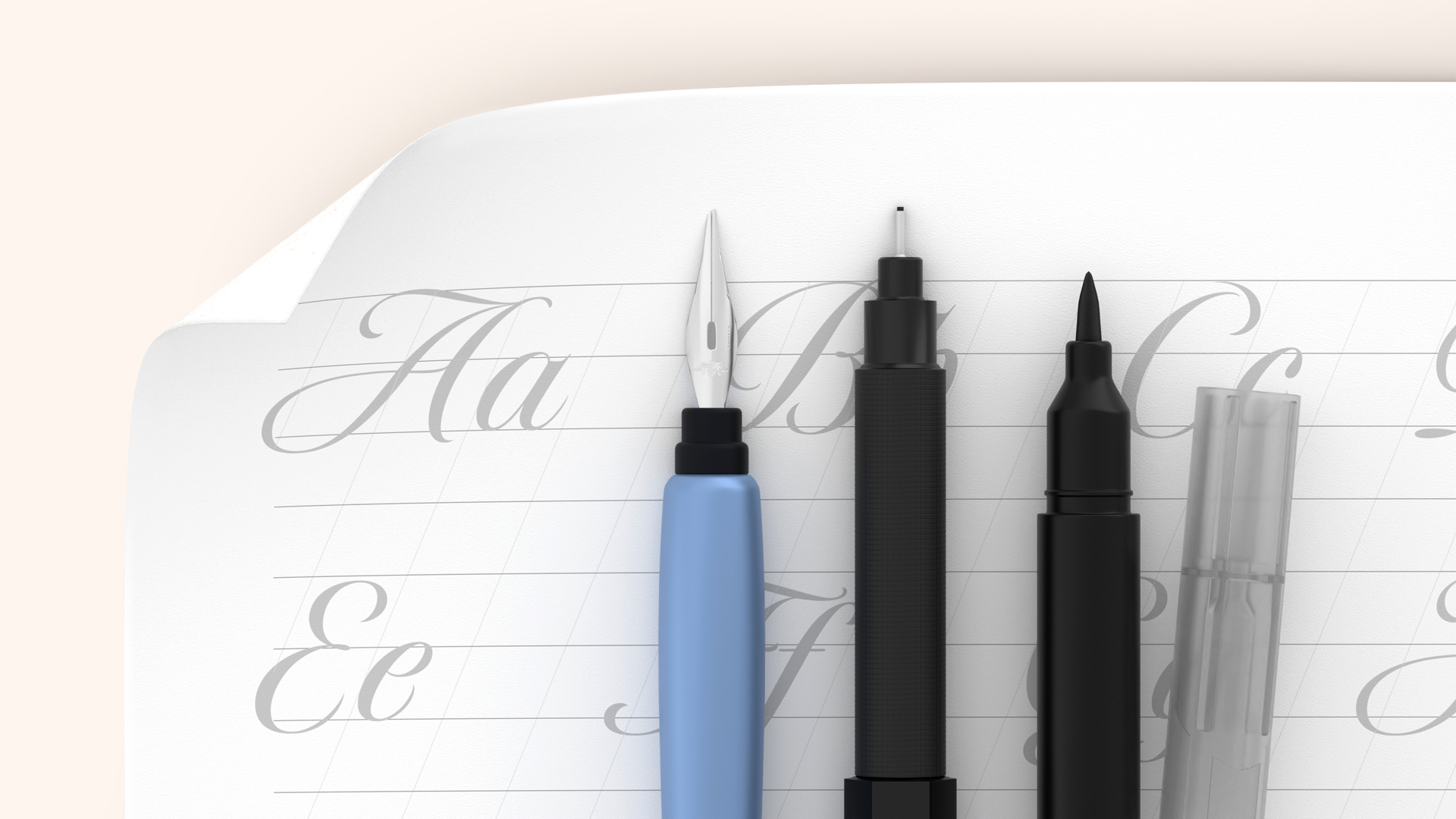
There are three main calligraphy pen categories:
Pro Tip: Figure out a comfortable grip by doing lots of doodling and other warming up exercises before you dive into the calligraphy practice sheets.
Now that you have the basic idea about calligraphy pens, let’s dive into the ideal paper to print your practice sheets.
Ideal Paper for Printable Calligraphy Practice Sheets:
Pro Tip: Not all printer papers are created equal for ink absorption. As a general rule, choose thick, bleed-proof paper with a smooth surface.
The downloadable calligraphy practice sheets above are a great way to start practicing basic strokes and getting comfortable with your grip. You can also watch video tutorials and read blogs and other learning materials to have a better understanding of calligraphy.
Check out The Beginners Guide to Calligraphy, an article that contains five video tutorials to help you understand the basics. Once you get the hang of it, you can try this free tutorial about creating Beautiful Gothic Letters & Decoratives.
You can also join online forums and follow calligraphy artists to learn more about this art.
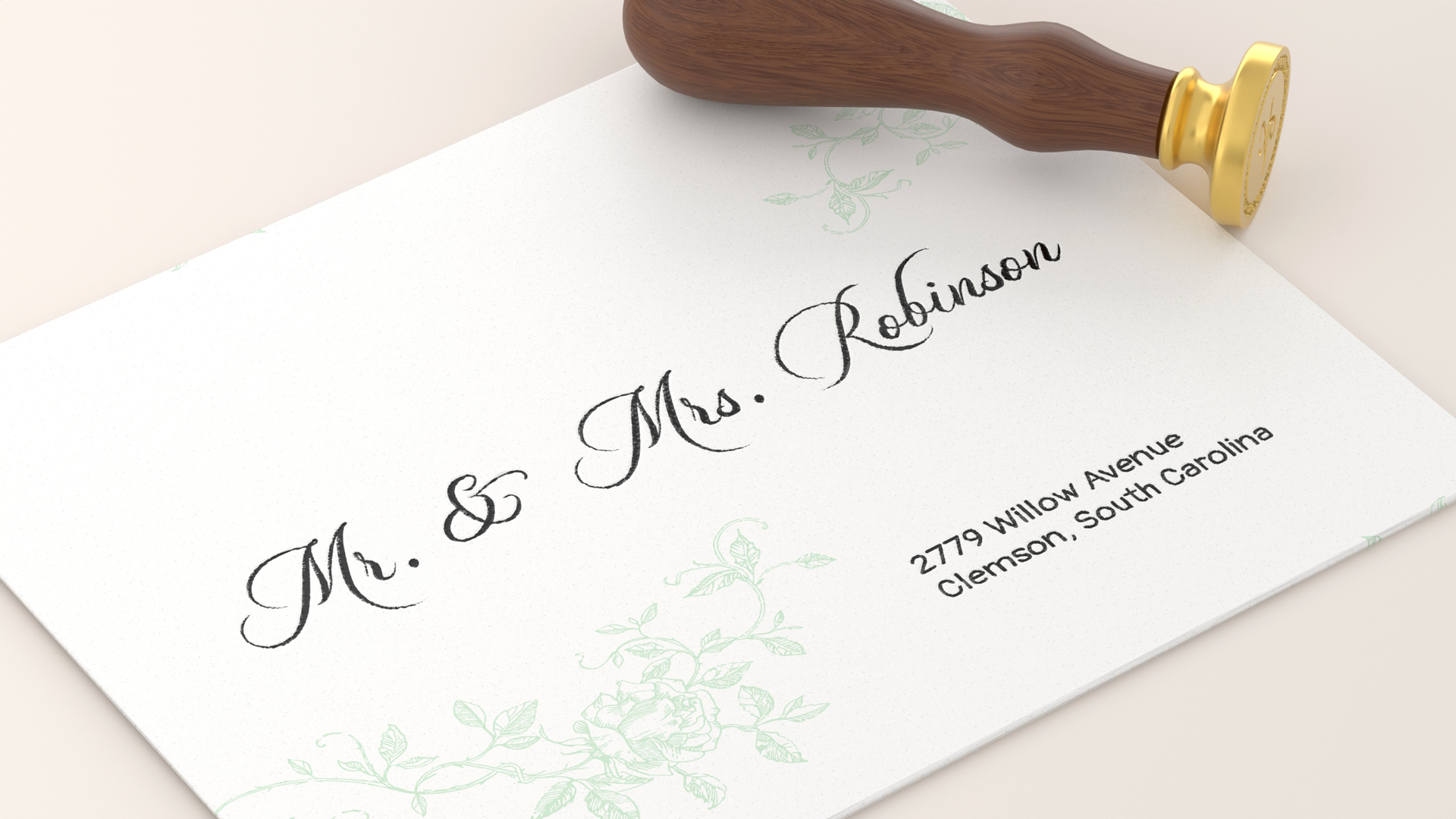
You can get inspiration from a wide range of sources, from wedding invitations and postcards to book covers and brochures. Even walking in the street or visiting the nearby park can inspire creativity and new ideas.
Remember that you’re learning a new skill so be patient with yourself! It takes time and a lot of practice to become comfortable with handwriting posture and pressure.
Focus on one thing at a time — a single letter, a group of letters, or a new technique — before moving on to another skill set. The goal is to reproduce a specific movement without too much conscious thought, relying mostly on your muscle memory.
Calligraphy practice sheets are already set up and ready to use, allowing you to learn and develop the necessary skills to create beautiful handwriting. They are more convenient to use than drawing your own calligraphy guidelines using a pencil, ruler, and protractor.
Moreover, using calligraphy practice sheets can make progress easy to track, as you can compare earlier sheets with your most recent work.
Download your FREE Calligraphy Practice Sheets and start learning the art of forming beautiful letters and symbols.
You can use Rhodia Dot Pad, Canson Marker Paper, or HP Premium 32 to print calligraphy practice sheets. Although you can try other paper brands, make sure you opt for thick, bleed-proof paper with a smooth surface.
Yes, you can earn money from the art of beautiful handwriting. Here are some possible ways you can turn your calligraphy skills into an income stream:
Several factors determine how long it will take to see improvement in your handwriting skills. But assuming that you’re practicing a few hours each week for two months, you will likely reach the level where you can write your own simple wedding stationery, greeting cards, and gift tags.
Calligraphy aims to create beautiful writing by hand, so it pays attention to flourishes and the stylistic variation between letters and words. By contrast, cursive primarily focuses on connecting letters and creating a uniform, consistent style across letters.
Yes, you can use regular pens with our faux calligraphy practice sheets.