Child-resistant packaging (CRP) is more than a safety precaution in the cannabis industry. In nearly every legal cannabis market, it’s a compliance requirement designed to prevent accidental ingestion by children. If you’re a dispensary owner, product manufacturer, or compliance officer, understanding when and how CRP applies to your products is essential to staying legal and avoiding costly violations.
Information: Lorem ipsum dolor sit amet,
Child-resistant packaging refers to containers that are designed to be difficult for children under five years old to open. At the federal level, CRP is governed by the Poison Prevention Packaging Act (PPPA), which requires that certain substances be packaged in a way that reduces the risk of accidental poisoning. The Consumer Product Safety Commission (CPSC) enforces these standards under 16 CFR 1700.15(b)(1).
Because cannabis is still federally illegal, there are no overarching federal cannabis packaging laws. However, states adopt and adapt CRP standards from the PPPA. In some cases, cannabis-adjacent products such as CBD may fall under federal jurisdiction via the FDA or CPSC.
The PPPA defines special packaging as containers that are significantly difficult for children under five to open, while remaining accessible for adults. Products that meet this standard must often include a General Certificate of Compliance (GCC) from the manufacturer.
Every state that has legalized cannabis includes CRP requirements in its regulations. Most states reference the PPPA but vary in how they enforce or define CRP. Below is a snapshot of how some key states handle CRP:
| State | CRP Required | Covered Products | Certification Standard | Notes |
|---|---|---|---|---|
| CA | Yes | All cannabis products | PPPA or alternatives allowed | Allows pry-off caps and 4-mil heat-sealed pouches for some items |
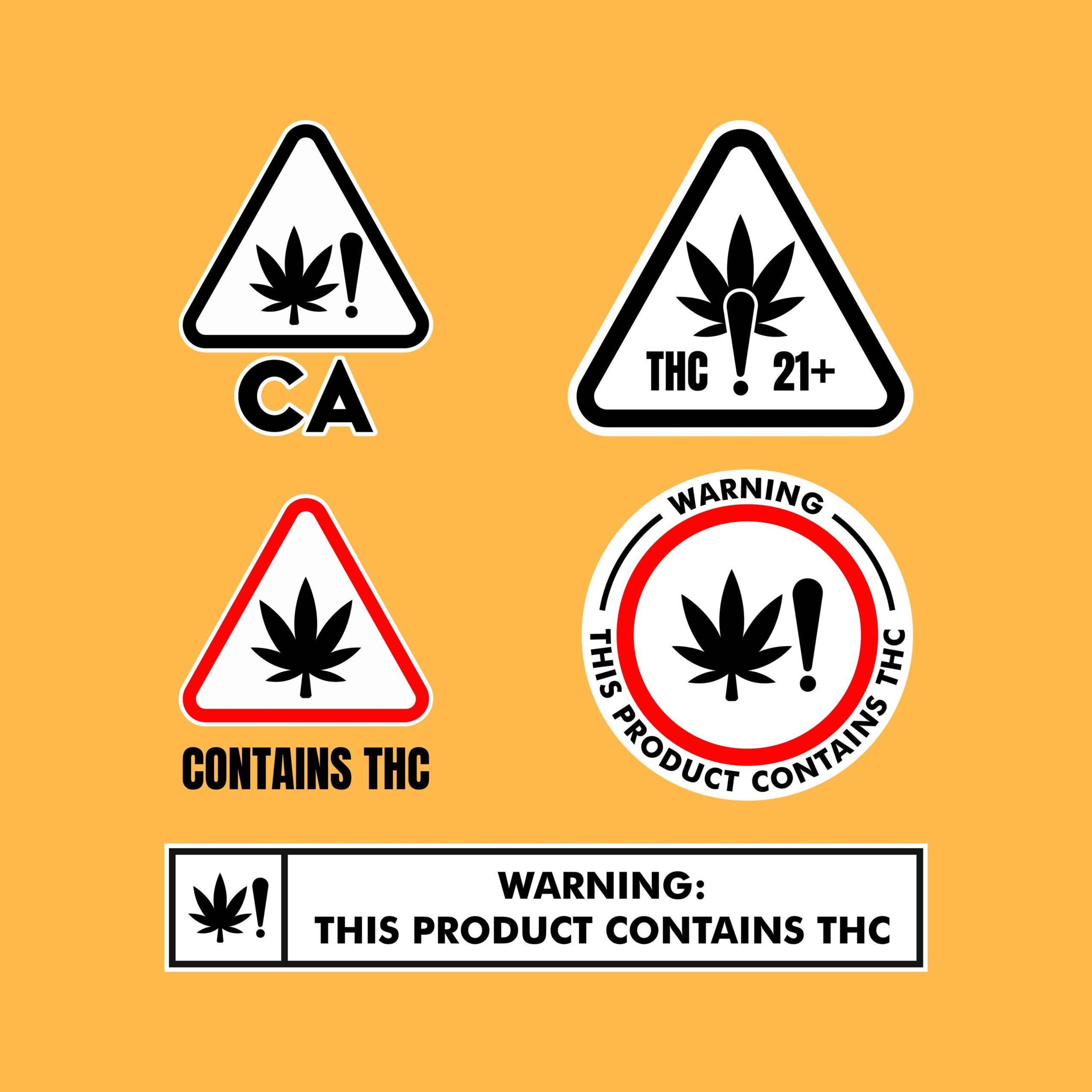
| CO | Yes | Edibles, vape, concentrates | PPPA | Strong focus on labeling and symbols |
| NY | Yes | All adult-use cannabis products | ASTM/CPSC | Rules based on licensing tiers |
| WA | Yes | Edibles, concentrates | State-defined + PPPA | Uses age 21 standard, not age 5 |
| VT | Yes | Most cannabis products | Based on PPPA | Incorporates PPPA language without direct reference |
To help businesses determine packaging requirements, here is a breakdown of cannabis product types and the CRP formats they typically require:
Note: A multiple-serving package is not required to be child-resistant if each serving is individually packaged in CRP-compliant material.
Violating child-resistant packaging (CRP) requirements can lead to serious consequences. While exact fine amounts are not always publicly disclosed, non-compliance may result in citations, license suspension, product recalls, or even license revocation depending on the severity of the violation. Misleading packaging or failure to include required warnings can also trigger enforcement actions.
Although cannabis-specific enforcement cases are limited, past actions under the Poison Prevention Packaging Act (PPPA) show that regulators treat violations seriously. In 2018, a large pharmaceutical company was fined $5 million in a federal consent decree for knowingly distributing prescription drugs in packaging that did not meet child-resistant standards. This was the first civil penalty issued for PPPA non-compliance and delayed reporting.
This case demonstrates the potential risk for any company that overlooks CRP requirements. Cannabis businesses should prioritize packaging compliance and avoid designs or branding that could appeal to children, as these are frequent sources of violations in state inspections.
To ensure CRP compliance, cannabis businesses should:
Use this decision flow to determine if your cannabis product needs CRP:
Child-resistant packaging is a required part of cannabis compliance. Whether you’re selling flowers, tinctures, or edibles, understanding the difference between single-use and multiple-use CRP, and knowing your state’s specific requirements, can protect your business from costly penalties and ensure consumer safety. As regulations continue to evolve, staying current with packaging standards and enforcement practices is essential for long-term success in the cannabis industry